Rice Cooker Fuzzy Logic Explained
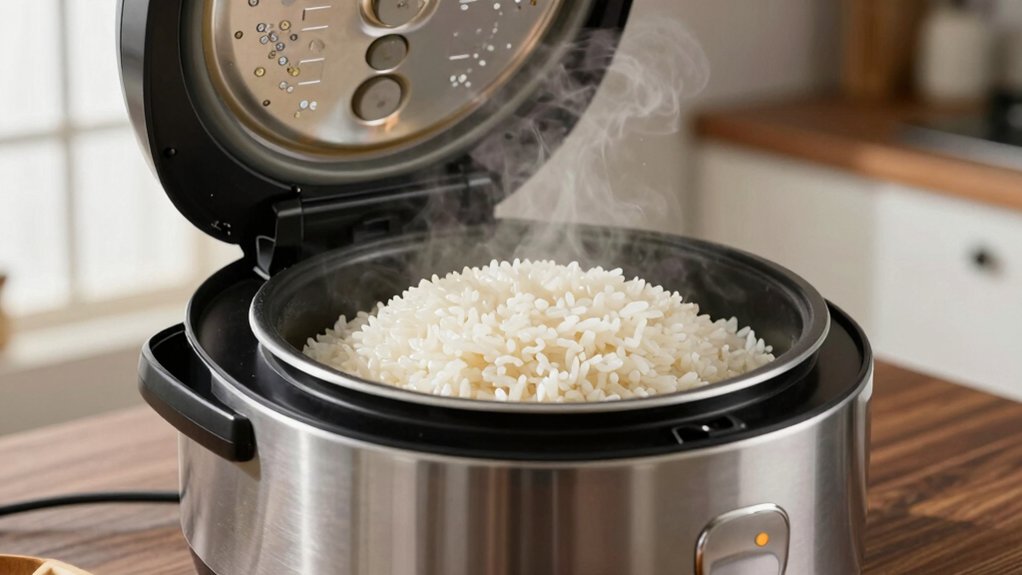
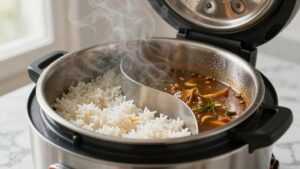
Fuzzy-logic rice cookers measure temperature and moisture and adjust heat and timing in real time, so you get consistent, restaurant-style rice across varieties. They use sensors and adaptive algorithms to make small fuzzy decisions rather than fixed timers. This allows them to correct for sensor drift via calibration and compensate for steam vent issues or uneven grain absorption.
You’ll get cycles for jasmine, sushi, or porridge with precise heat control. Keep sensors and vents clean; you’ll learn how to optimize settings and maintenance further.
Quick Overview
- Fuzzy logic lets the cooker adjust cooking time and heat continuously, not just follow fixed presets.
- Sensors (temperature, moisture) feed fuzzy rules that make small timing and power corrections during cooking.
- Calibration of sensors and offsets ensures accurate inputs, repeatable results, and safe automatic programming.
- Advanced classes (induction, pressure) combined with fuzzy logic enable precise control for sushi, jasmine, or faster cooks.
- Regular maintenance: clean vents, check seals, and recalibrate. This prevents sensor errors and maintains consistent fuzzy control.
Cooking Modes Comparison Table
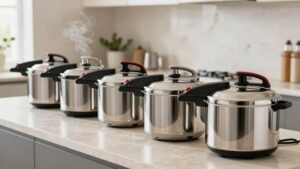
How do the different cooker classes affect your results? You’ll pick a class that matches precision needs: Conventional gives basic, Micom adds fuzzy adjustments, Induction + Micom refines heat control, Neuro Fuzzy® enhances decision logic, and Pressure + Induction speeds cycles.
Don’t treat sensor calibration as an irrelevant topic or an unrelated issue here. Cooking modes already embed automatic programming and soak/steam cycles, so you won’t tweak sensors manually.
| Class | Key Benefit | Typical Use |
|---|---|---|
| Conventional | Simple cycles | Basic white rice |
| Micom | Fuzzy timing | Varied grains |
| Induction | Precise heat | Sushi, jasmine |
Choose based on grain variety, desired texture control, and whether accelerated pressure cooking matters to you.
Fuzzy Logic Sensor Calibration Checklist
Why check sensors before you rely on fuzzy adjustments? You’ll verify inputs used by the fuzzy controller; thus, calibration procedure steps prevent incorrect timing or heat decisions caused by sensor drift. Follow a concise checklist to ensure repeatable measurements and safe cooking.
- Inspect and record baseline readings: Measure temperature and moisture sensors at known references, log offsets, and note any signs of sensor drift.
- Execute calibration procedure: Apply manufacturer-recommended references, adjust firmware offsets, and store new coefficients in nonvolatile memory.
- Validate and monitor: Run a controlled cook cycle, compare expected vs. actual states, and set scheduled recalibration intervals to catch gradual drift.
You’ll keep fuzzy logic reliable by maintaining accurate, traceable sensor data.
Steam Vent Clogging Troubleshooting
Check the vent for signs of blockage like steam deflection, reduced flow, or visible residue. Turn off and unplug the cooker before following safety steps to remove built-up starch or grease with a soft brush and warm water. Use a toothpick or nylon brush to clear stubborn deposits.
After cleaning, run a short water-only cycle to verify steady steam flow. Adopt simple habits: rinse the inner lid and wipe the vent after each use to prevent future clogs.
Identifying Vent Blockage
Ever wondered why your rice cooker spits or takes too long to finish? Check for vent blockage first: restricted steam flow raises internal pressure and fools sensors; cooking extends or sputters.
You’ll inspect the external vent cap and surrounding seam for crusted starch or mineral deposits that narrow the aperture. Observe steam behavior during a short cook: uneven, sideways, or minimal steam indicates partial clogging; a steady plume suggests clear flow.
Also listen: irregular popping or gurgling often correlates with intermittent vent restriction. If the cooker has a removable steam cap or pressure valve, confirm it seats correctly; misalignment mimics blockage symptoms.
Document symptoms and vent condition before proceeding to cleaning or component replacement steps covered in the next section.
Cleaning Safety Steps
Before you start cleaning the steam vent, unplug the cooker and let it cool completely so you don’t get scalded. Residual heat can pressurize and eject hot steam or loosen seals. Next, remove detachable vent parts per the manual, wearing heat-resistant gloves for safe handling.
Use a soft brush and damp cloth; avoid metal tools that can deform components. Inspect seals and gaskets; replace if cracked. Flush removable parts under warm water, then dry thoroughly to prevent microbial growth.
When reassembling, ensure parts align and snap securely to maintain pressure control. Clean on a dedicated surface and disinfect tools to prevent cross contamination with raw rice or other foods. Test a short steam-only cycle to confirm normal operation before cooking.
Removing Stubborn Residue
After you’ve reassembled and tested the vent, you may still find stubborn residue restricting steam flow. Here’s how to troubleshoot clogs safely and effectively. Inspect the vent port and cap with a flashlight. Use a soft nylon brush and a pointed plastic pick to dislodge deposits without scratching metal.
Soak removable parts in warm water with mild detergent to loosen organic buildup; however, avoid harsh abrasives. Flush channels with a syringe of distilled water to remove loosened material and prevent mineral buildup. If composting residues or dried starch persist, apply a 1:1 vinegar-water soak for 15 to 20 minutes; then rinse thoroughly. Dry all components completely before reassembly.
Maintain soap film prevention by rinsing detergent fully. Residual soap can attract more particles and worsen future clogs.
Preventing Future Clogs
1 simple habit will cut most steam-vent clogs: rinse and dry removable parts after each use. You should remove the inner lid, steam cap, and any silicone seals. Then flush them under warm water and air-dry fully before reassembly.
Regularly inspect the vent channel for trapped starch or mineral deposits; use a soft brush and a 50:50 white vinegar–water solution to dislodge buildup, then rinse. Schedule vent maintenance monthly if you cook daily or after ten uses for hard-water areas.
Avoid adhesive cleaners or metal probes that can deform components. Keep a spare silicone cap to rotate while one set dries. These steps target preventing clogs by removing residue and moisture that promote accumulation, preserving consistent steam paths and cooker performance.
Checking Steam Flow
How can you tell if the steam vent is clogged? You’ll notice reduced steam flow, uneven cooking, longer cook cycles, or water sputtering from the lid. Measure symptoms against expected vent dynamics: steady, narrow exhaust rather than intermittent bursts indicates obstruction.
Monitor audible cues—gurgling or irregular hissing—signaling fluctuating steam pressure. To test, run a short water-only cycle and observe exhaust pattern and timing; a delayed ramp-up or trapped condensate suggests blockage.
Inspect and clean the vent assembly: remove debris, mineral scale, or food particles with a soft brush and vinegar solution, then rinse thoroughly. Reassemble and retest.
If irregular vent dynamics or abnormal steam pressure persist, replace the vent gasket or consult service to avoid sensor errors and unsafe pressure buildup.
Frequently Asked Questions
Does Fuzzy Logic Improve Energy Efficiency in Rice Cookers?
Yes, fuzzy logic improves energy efficiency in rice cookers. You’ll see reduced power use because the controller adjusts temperature and time dynamically; it avoids overcooking and shortens active heating periods.
Sensors and adaptive algorithms modulate heat based on rice type and moisture, so the cooker uses only necessary energy. That smarter control lowers wasted cycles, trims standby losses through optimized keep-warm strategies, and yields consistent results with less electricity.
Can Firmware Updates Change Fuzzy Logic Performance?
Yes, firmware updates can change fuzzy logic performance. You’ll see firmware behavior alter decision thresholds, rule weighting, sensor sampling rates, and adaptability monitoring routines.
Updates can refine algorithms to reduce overcooking, improve responses to ambient changes, or add new rice profiles. You’ll need compatible hardware and careful testing, since aggressive changes may destabilize tuned parameters. Manufacturers usually roll updates that balance performance gains with reliability.
Are Aftermarket Parts Compatible With Fuzzy Models?
Yes, but you’ll face compatibility concerns: aftermarket parts aren’t universally interoperable with fuzzy models. You’ll need parts that match sensor types, firmware interfaces, and calibration profiles. A mismatch can break the control loop or corrupt fuzzy-rule inputs.
Prefer OEM or vetted third-party components with documented electrical specs and firmware compatibility. Test replacements in controlled runs and update calibration constants if the cooker supports firmware adjustments to restore reliable fuzzy performance.
Do Fuzzy Rice Cookers Require Special Cleaning Agents?
No, you don’t need special cleaning agents; regular mild detergent and a soft cloth handle most maintenance. For maintenance tips, remove and wash the inner pot, gasket, and steam cap after each use. Avoid abrasive cleaners, and descale periodically with vinegar solution.
If your fuzzy model supports firmware updates, apply them per the manufacturer to maintain sensor calibration and algorithm improvements. This helps keep cleaning requirements minimal and performance consistent.
Is Fuzzy Logic Used for Non-Rice Recipes Like Bread?
Yes, you can use fuzzy logic for non rice bread recipes. You’ll benefit because fuzzy control adapts time, temperature, and moisture sensing to loaf type and dough state.
The cooker’s sensors and if/then rules mimic baker judgment; they adjust cycles for proofing and baking to avoid undercooked centers or dry crusts. Expect consistent results across rice and non rice modes, with reduced need for manual tweaks and recipe-specific settings.
Conclusion
You’ve learned how fuzzy logic rice cookers use sensors and algorithms to adjust cooking, and how different modes affect results. When checking steam flow, inspect the vent, steam cap, and inner lid for blockages, and clean them safely: unplug, cool, remove parts, soak, and scrub.
For stubborn residue, use baking soda paste or a nylon brush. Calibrate sensors per the checklist and prevent clogs by cleaning after each use; avoid starchy overflows.