Rice Cooker Cup Measurements Explained
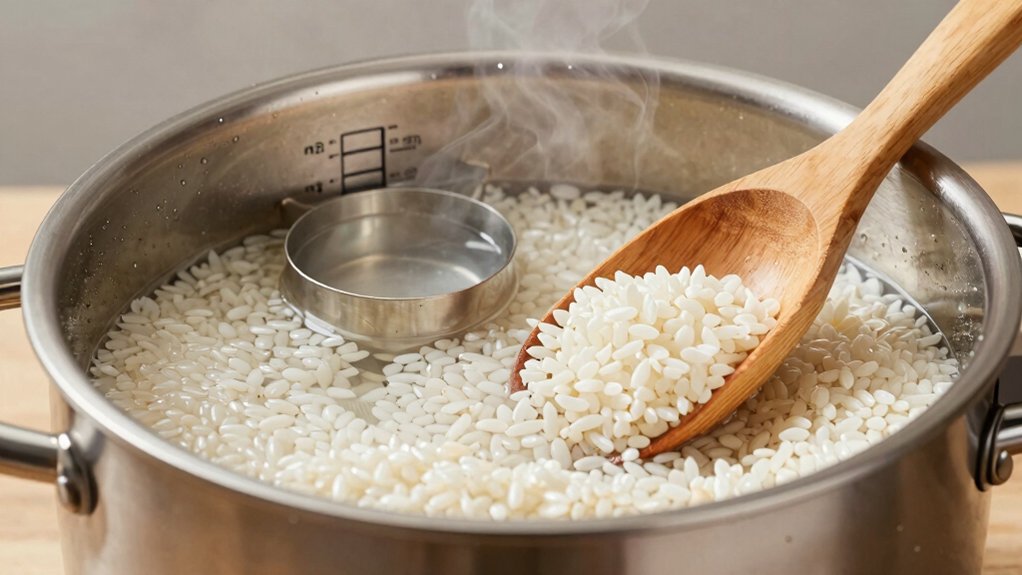
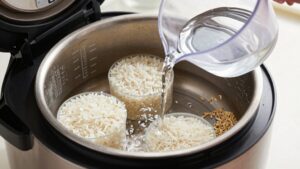
Use the rice cooker’s plastic cup as your standard: it’s a Japanese gō of 180 ml (about ¾ US cup or 6 oz). Fill it level with uncooked rice (roughly 150–190 g per cup), rinse and drain. Then match the cooker’s internal water line for that cup count; typically a 1:1 rice-to-water ratio for standard white rice. Small tweaks alter firmness.
If you want practical conversions, tips and exceptions, keep going for more details.
Quick Overview
- A rice cooker cup (Japanese gō) holds 180 ml, not the US 240 ml cup size.
- The cooker cup equals roughly ¾ US cup or about 6 fluid ounces. Uncooked rice per cooker cup typically ranges from about 150–190 grams.
- Use the cooker’s internal water line matching the number of rice cups for a 1:1 rice-to-water ratio. Fill the plastic cup to the brim and level it for accurate, consistent measurements.
Japanese Rice Cup Chart
Wondering why rice cooker cups don’t match your kitchen measuring cup? You use a 180ml rice cooker cup rooted in the Japanese gō, not the 240ml US cup. That cup capacity equals roughly ¾ US cup and yields a predictable amount of uncooked rice per serving. Fill the plastic cup to the brim and level it. Scale markings often stop at 160ml; however, the true capacity is 180ml.
The table below summarizes key conversions so you can substitute a standard measure when needed.
| Item | Value |
|---|---|
| Rice cooker cup | 180 ml |
| US cup equivalent | ¾ cup |
| Uncooked rice per cup | ~150–190 g |
| US cup (standard) | 240 ml |
:1 Water-to-Rice Guideline
How much water should you add for each rice cooker cup? You’ll use a simple, evidence-based rule: one rice cooker cup (180 ml) of dry rice pairs with one rice cooker cup of water measured by the cooker’s internal lines. That 1:1 system accounts for the cooker’s calibration and grain expansion; don’t substitute unrelated measurements from Western cups without conversion.
Use the cooker’s internal water line matching the number of rice cups. Level the rice to the brim of the rice-cooker cup for accuracy. For firmer rice, reduce water by a few milliliters; for softer, add slightly more.
Ignore non rice topics like stovetop rules; rice cookers are calibrated differently. When in doubt, follow your cooker’s manual and test small adjustments.
Measure With Japanese Cup
When you measure with a Japanese cup (gō), you’ll use a 180 ml container that’s smaller than a standard 240 ml US cup. That fixed size determines the rice-to-water ratio used by rice cookers: one Japanese cup of rice to the corresponding 180 ml water line. You should fill and level the cup to the brim for accuracy.
If you don’t have the plastic cup, use ¾ US cup (about 190 g dry rice) per Japanese cup as a reliable conversion.
What Is A Japanese Cup
What exactly is a Japanese cup, and why does it matter when you measure rice? You’re dealing with a small Japanese utensil rooted in the traditional cultural measurement called gō.
Modern rice cooker cups hold 180 ml, about 6 ounces or ¾ US cup; rice cookers are calibrated to that volume. You should fill the cup to the brim and level it to ensure the correct 180 ml since internal scale markings often stop at 160 ml.
Measuring by this fixed container gives consistent rice-to-water ratios and predictable results. If you use a Western 240 ml cup instead, you’ll change the rice quantity and need to adjust water. Stick with the 180 ml standard for reliability.
Cup Size Compared
Think of the Japanese rice-cooker cup as a compact standard: it holds 180 ml (about 6 ounces or ¾ US cup). So when you measure with it, you’re using the same volume the cooker’s calibration expects. When you compare that to a Western 240 ml measuring cup, you’ll see the mismatch: using a standard cup without adjusting will overstate rice and disrupt the cooker’s preset volumes.
Always fill the rice-cooker cup to the brim and level it for accuracy; markings often stop at 160 ml but capacity is 180 ml. Treat the plastic rice-cooker cup as an integral tool, not an unrelated topic or casual kitchen gadget. It’s the precise unit your cooker was designed around.
Rice-To-Water Ratio
How much water should you add? You’ll use the rice cooker cup (180 ml) as your standard: one cup of dry rice to one cup of water measured inside the cooker for most short- and medium-grain varieties. Fill the rice cooker cup to the brim and level it to ensure true 180 ml; the cooker’s internal lines correspond to those volumes.
For firmer rice, reduce water by about 10–15 ml per cup; for softer rice, add 10–15 ml. These adjustments are empirical and consistent with volume-based calibration, not an unrelated topic like kitchen decor. Always rinse rice, drain excess, then follow the cooker’s water line: this keeps variables controlled and yields repeatable, evidence-based results.
Measuring Methods Explained
Want the most reliable results from your cooker? Measure with the Japanese rice cooker cup: fill it to the brim and level off to get the full 180 ml (gō) volume. You’ll avoid under-measuring if you ignore the inner 160 ml mark and use the physical cup capacity instead.
Use chopsticks or a straight edge to level rice for repeatable volume. Because cookers are calibrated to that 180 ml unit, this method yields predictable water-to-rice ratios without guessing or relying on unrelated topic cues or random buzzwords in recipes.
If you lack the plastic cup, substitute 3/4 US cup by volume; however, when possible, use the original cup for consistent, evidence-based results tailored to your rice cooker’s calibration.
Common Conversion Values
Now that you’re using the rice cooker cup to get consistent measurements, it helps to know the common conversions you’ll use regularly. One rice cooker cup (the Japanese gō) equals 180 ml, roughly 6 oz or ¾ US cup; that’s about 190 g of dry rice. Fill the cup to the brim and level it for accuracy because many internal scales only mark 160 ml.
For water, one cup of rice corresponds to the cooker’s 1-line (180 ml) of water for standard white rice. Knowing these conversions aids cultural adaptation when following Japanese recipes and helps when replacing a lost cup: measure ¾ US cup. If you resell a cooker, include the original cup to increase kitchen gadget resale value.
Frequently Asked Questions
Can I Use the Rice Cooker Cup for Other Grains Like Quinoa?
Yes, you can use the rice cooker cup for other grains like quinoa, but you’ll need a quinoa adaptation. Treat the rice cooker cup’s 180ml cup capacity as your volume unit.
Then, follow quinoa’s typical water ratio (about 1.5–2 cups water per cup quinoa) and adjust by eye or testing. You’ll get consistent results if you measure quinoa by that 180ml cup and tweak water slightly for texture; rinsing quinoa first is recommended.
How Do I Convert Rice Cooker Cups to Grams for Different Rice Types?
One rice cooker cup (180ml) equals about 190g for medium-grain white rice; you’ll use different gram conversions for other types. Short/sushi rice is approximately 195g, long-grain white is about 185g, brown rice ranges from 200 to 210g, and wild rice is between 170 and 180g.
For accuracy, weigh by type. Rice measurements in cups multiplied by specific gram conversion gives grams. Keep a kitchen scale handy and note the variety for consistent results.
Are Plastic Rice Cooker Cups Dishwasher-Safe?
Yes, most plastic rice cooker cups are dishwasher-safe, but check your manual first. You’ll reduce plastic safety risks by placing cups on the top rack to avoid high heat and warping.
If the cup lacks symbols or instructions, hand-wash with warm soapy water to avoid dishwasher concerns like chemical leaching or deformation. Replace cracked or cloudy cups since damage increases contamination risk and unreliable measurements.
Why Does My Rice Overflow When Using the Cooker Cup?
Your rice overflows because you’re mismeasuring volume or water. Overflow awareness means checking cup calibration and filling the rice cup to the brim (180ml), not the 160ml scale. If you use a Western 240ml cup or don’t level rice, you’ll add too much water per rice volume; this causes boil‑over.
Also, avoid overfilling the cooker’s max line. Rinse rice to reduce surface starch that promotes foaming and overflow.
Can I Wash the Rice Directly Inside the Measuring Cup?
Yes, you can wash the rice directly inside the measuring cup, but do it carefully. Use cool water, swirl and rub grains against the cup walls to remove starch. Then drain and repeat until water runs clearer.
Treat the cup like any container cleaning task: rinse thoroughly, avoid abrasive scrubbers that scratch plastic, and dry fully before storage. Regular washing prevents residue buildup and keeps measurements accurate.
Conclusion
Now that you know how a Japanese rice cup (180 ml) compares to metric and U.S. measures, you can use clear water-to-rice ratios and reliable measuring methods to get consistent results. Measure uncooked rice with the Japanese cup. Adjust water by the rice type (short, medium, long grain). Follow the chart conversions when using other cups.
These evidence-based steps help you achieve predictable texture and avoid soggy or undercooked rice every time.