Multi Cooker Mode Differences Explained
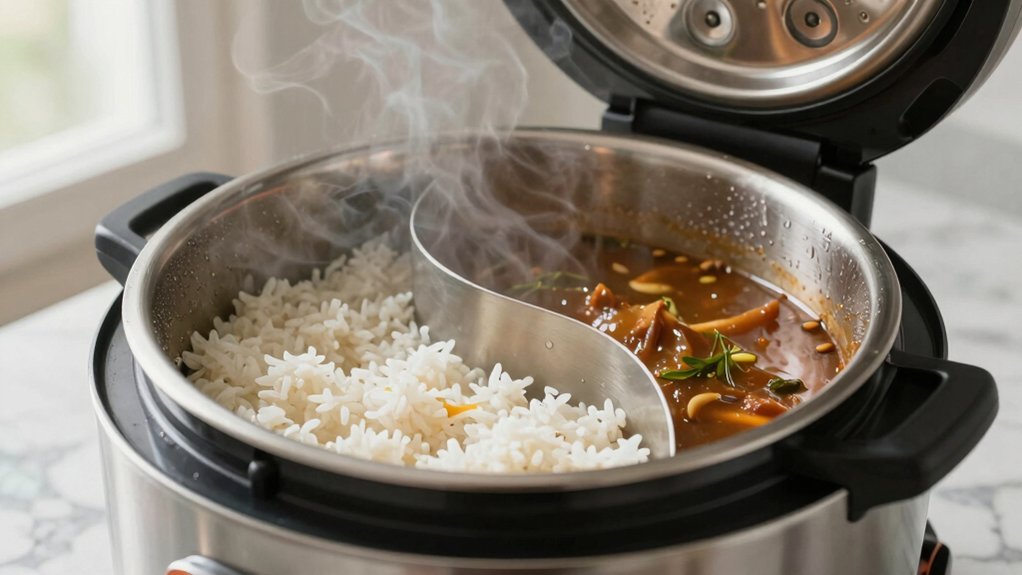
A multi‑cooker uses distinct modes to control temperature, time, and steam so you can match method to food: sous‑vide holds 25–96°C for precise low‑temp baths.
Pressure cook hits 115–125°C with steam and sealed valves for fast braises.
Slow‑cook keeps 85–95°C for long, gentle simmering.
Sauté/sear and roast run 180–230°C for browning.
Air‑fry/convection reaches 200–220°C for crisping.
Learn how valve types, venting, and release timing affect safety and outcomes. If you want practical setup and maintenance tips, it is essential to understand these factors.
Quick Overview
- Modes differ by target temperature and heating profile: sous vide (25–96°C), roast (to ~215°C), slow cook (low, long heat), etc.
- Pressure cook uses sealed high-steam temps (≈115–125°C) for fast tenderizing compared with open slow-cook methods.
- Sauté/sear and air-fry/convection deliver much higher dry-heat temps (≈180–230°C and 200–220°C) for browning and crisping.
- Release and venting behavior varies: quick-release vents rapidly; controlled-release depressurizes gently. Natural release takes 5–30+ minutes by food type.
- Safety and maintenance differ by mode: watch boil alerts; auto shut-off after 4h; inspect valves/gaskets; and clean steam ports regularly.
Cooking Mode Temperature Chart
A clear temperature chart helps you pick the right mode and avoid overcooking. You’ll compare modeled temps and time ranges from devices like the Zavor, Instant Pot Pro, and Russell Hobbs; however, avoid irrelevant comparison of unrelated presets. Focus on target temps, time limits, and auto keep-warm behavior.
Note safety considerations: boil alerts, auto shut-off after 4h, and pressure detection systems that reduce heat to prevent overheating. Use this quick reference to set sous vide, roast, steam, and slow-cook appropriately. You should also choose manual keep-warm limits.
| Mode | Key Temp/Time Note |
|---|---|
| Sous Vide | 25–96°C, wait for water |
| Roast | up to 215°C, watch high heat |
| Slow Cook | time-based, up to 20h |
Max Temp Limits Chart
How hot can each mode actually get, and what limits should you set to prevent scorching or safety cutoffs? You need a clear max temp limits chart per mode so you can set safe ranges, avoid thermal trips, and maintain consistent results. Include max pressure and steam control notes where relevant.
- Pressure Cook: max temp: 115–125°C (steam-dominant); set based on max pressure rating and timed ramp to avoid overshoot.
- Slow Cook: max temp: 85–95°C. Use low/high presets to prevent scorching of dense stews.
- Sauté/Sear: max temp: 180–230°C. Short bursts only; monitor to prevent oil smoking.
- Air Fry/Convection: max temp: 200–220°C. Combine with steam control to protect moisture-sensitive foods.
Steam Release Valve Guidance
You’ll first identify valve types and their operational differences so you can choose the correct venting method. Know when to use natural release versus quick release. Understand the expected timing for natural release and the safety steps for a rapid vent.
Finally, follow a concise cleaning and maintenance routine to keep seals and valves functioning reliably.
Valve Types Overview
Which valve type fits your cooking needs depends on how much control and speed you want during steam release. You’ll choose between manual, quick-release, and controlled-release valves; each differs in valve material, geometry, and actuation.
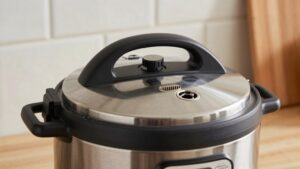
Manual valves give tactile feedback and fine control, but they require you to manage pressure steadily. Quick-release valves vent rapidly for safety and speed; they use robust valve material and larger ports. Check heat exposure warnings. Controlled-release (or programmable) valves modulate flow for gentle depressurization, protecting delicate foods.
Inspect the sealing gasket for wear and compatibility with valve interfaces. An imperfect gasket compromises sealing and release behaviour. When comparing models, verify replacement parts, response time, and rated pressure to match your recipes.
When To Vent
When should you vent your multi-cooker? You should vent when the recipe or manufacturer’s pressure indicators signal it’s safe: typically when the float valve drops and the pressure indicator reads zero.
Use quick release only for foods that benefit from immediate pressure reduction (vegetables, seafood). Avoid it for starchy or foamy foods that can clog the vent. Ignore common venting myths that say you must always natural-release; they’re inaccurate and reduce control.
When you do quick-release, use a tool and keep hands and face away from the steam path. If the indicator shows residual pressure, wait; forcing a vent can damage seals and valves.
Monitor pressure indicators throughout to confirm a complete, safe venting cycle.
Natural Release Timing
How long should you let pressure drop naturally? You’ll base the timing of natural release on food density and vessel size: Delicate vegetables and fish need 5–10 minutes. Most proteins and stews require 10–20 minutes. Large roasts, beans, or dense grains benefit from 20–30+ minutes.
Monitor the valve and internal pressure indicator; don’t assume time alone. For consistent results, pre-chart typical cook times versus natural-release duration for your recipe and cooker model.
Release etiquette mandates you avoid rapid valve movement. Keep hands and face clear, and use a utensil or glove when adjusting. If recipe safety notes require immediate venting, follow them. This section covers controlled passive depressurisation only, not quick-release procedures.
Quick Release Safety
After you’ve used natural release for the appropriate time, you’ll sometimes need to vent pressure quickly to stop cooking or to safely open the cooker for recipes that require immediate access. When performing a quick release, keep your face and hands away from the steam path and use a long-handled tool or the cooker’s designated lever.
Confirm the valve is set to pressure release, not sealing. Open the valve in short controlled bursts if your model ejects vigorously; this prevents food sputter and avoids scalding. If steam flow stalls, wait a minute and try again. Don’t force the lid.
For safety, wear oven mitts and ensure children and pets are distant. Follow manufacturer warnings for valve maintenance and replacement schedules.
Cleaning And Maintenance
Why should you give the steam release valve regular attention? You rely on that valve for controlled depressurization. Any residue or blockage raises risk and degrades performance. Establish a cleaning schedule: inspect the valve after each pressure cook, remove food debris with a soft brush, and run hot soapy water through removable components weekly.
Use maintenance reminders in your calendar to check seals and spring action monthly. Replace silicone gaskets per manufacturer intervals. When reassembling, confirm the valve moves freely and vents unobstructed. Test with a short steam cycle before full use.
For stubborn buildup, soak removable parts in vinegar solution, rinse thoroughly, and dry completely. Accurate, routine care preserves safety, seal integrity, and consistent cooking results.
Frequently Asked Questions
Can I Use Non-Stick Inserts With Air-Fry Functions?
Yes, you can often use non-stick inserts with air fry compatibility, but you should confirm manufacturer guidance first. You’ll get easier cleanup and less sticking. Yet, non-stick coatings can degrade at high air-fry temperatures or with metal utensils.
You should avoid inserts with damaged coatings, keep temperatures within rated limits, and ensure airflow isn’t blocked by oversized pans. When in doubt, use manufacturer-approved racks or accessories for safe, consistent results.
Which Modes Work Best for Batch Meal Prep?
You’ll favor pressure cook and slow cook for batch prep: pressure cook when you need fast, tender results (ribs, stews) and slow cook for set-and-forget larger portions.
Use sauté first to brown and reduce liquids; then switch modes. Air fry and steam handle sides and veggies quickly. Prioritize time planning: stagger pressure cycles and slow-cook starts so everything finishes together. Batch in portions for easy reheating and storage.
Do Multi-Cookers Need Descaling for Steam Functions?
Yes, you should descale steam parts regularly. Hard water deposits reduce steam output and can damage heating elements; therefore, follow descaling steam intervals in your manual and use recommended solutions. You’ll get maintenance reminders on some models; act on them promptly.
Rinse thoroughly after descaling, inspect seals and steam vents, and run a water-only cycle to flush residues. Regular descaling preserves performance and prolongs unit lifespan.
Can I Proof Bread Dough in a Pressure-Cooker Setting?
No, you shouldn’t proof bread dough in pressure cooker settings. Pressure cooker settings create high heat and elevated pressure that speed up cooking, not gentle, controlled warmth needed for proofing.
Instead, use a low, no-pressure setting or a warm/ferment/proof function if your multi-cooker has one. Maintain around 75–85°F (24–29°C) and moderate humidity, and monitor dough rise. Avoid steam or pressure to prevent overproofing or cooking the exterior.
Are Replacement Lids Interchangeable Between Models?
No: replacement lids aren’t universally interchangeable. You’ll need to check model compatibility. Lid seals, locking mechanisms, valve assemblies, and sensor placements vary by brand and model. Use manufacturer part numbers or official accessory lists to match replacement lids precisely.
If you buy third-party parts, confirm fitment for your exact model. Inspect gasket diameter, vent alignment, and locking tabs before use to avoid pressure or safety failures.
Conclusion
You’ve learned how cooking modes differ by temperature and pressure, the cooker’s max-temp limits, and how each steam-release valve type works. Vent when a recipe calls for browning or pressure reduction. Use natural release for dense foods and quick release for delicate items while following safety steps.
Regularly clean the valve, gasket, and lid to keep seals tight and performance accurate. Apply these technical practices to get repeatable, safe results every time.