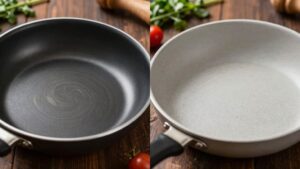
Grill Plate Compatibility Guide
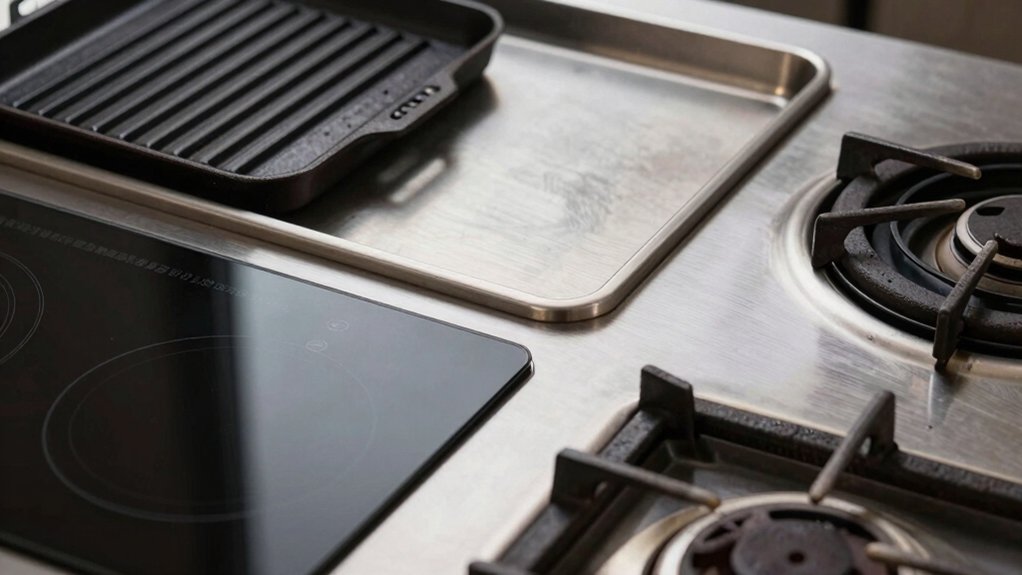
You’ll confirm grill plate compatibility by checking the grill’s rating plate or manual for the exact model number. Then match that model (including punctuation) to parts diagrams or dealer lists. Measure the tray footprint if you’re using universal flats and compare L×W×depth to the part’s minimums.
Inspect material limits for high-heat and thermal shock. Follow cast-iron seasoning care to preserve performance. Keep these verifications first; continue and you’ll get step-by-step fitment and care tips.
Quick Overview
- Verify the exact model number from the grill’s rating plate or manual before ordering replacement plates.
- Measure existing plate dimensions (L×W×depth) and compare to part specs for universal or aftermarket fits.
- Confirm the plate material and coating match your cooking style and heat tolerance (cast iron, steel, nonstick).
- Ensure compatibility with the grill’s heat source and peak surface temperature to avoid warping or overheating.
- Photograph the rating plate and grill system details. Consult the manufacturer or dealer when in doubt.
Model Numbers & Fitment
Where should you look to find the exact model number for a replacement griddle? Check the back panel rating plate, inside the cart door or underside of the grease tray, and the owner’s manual first. Those give the model numbers you need to verify fitment. You’ll avoid wrong parts by matching the exact model (include punctuation) and comparing measurements.
| Location | Typical Spot |
|---|---|
| Back panel | Rating plate |
| Cart door | Inside panel |
| Manual | Parts diagram |
Use the rating plate value, not just visuals. For universal flat tops, measure L×W×depth against minimums (e.g., FT24 needs ≥24″×17″). If in doubt, photograph the plate and email a dealer; series mismatches (Weber Spirit vs. Genesis) cause failures.
Cast-Iron Care Checklist
How often should you season and inspect your cast-iron griddle? You should check it before heavy use and season when the surface looks dull or food sticks. Regular inspections prevent rust and ensure even heating without touching on seasonal temperature tolerance.
- Clean and dry: After each use, scrub with a stiff brush or chainmail; rinse, dry thoroughly, and heat briefly to remove moisture.
- Light seasoning: Apply a thin layer of oil; wipe off excess and bake at moderate heat to reinforce seasoning chemistry and repair thin spots.
- Seasonal storage: Before long storage, give a fresh oil layer; wrap in breathable cloth and store in a dry place to avoid humidity-driven corrosion.
Seasonal Temperature Tolerance
When you pick a grill plate, consider how it performs from cold starts to searing temps. Low-temperature performance and cold-start durability affect morning or winter cooking reliability. Check the manufacturer’s listed high-heat limits and look for materials with good thermal shock resistance to prevent warping or cracking when you move between seasons.
Finally, note seasonal material effects like coating brittleness in cold or accelerated oxidation in humid summer conditions. This way, you can match plate choice and maintenance to your climate.
Low-Temperature Performance
Because cold ambient temperatures slow heat transfer and can change fuel behavior, you’ll want to contemplate seasonal tolerance when choosing and using griddles. At low temperature, you should expect longer warm-up times and adjust cook schedules accordingly. For charcoal or pellet setups, plan for a colder cold start by insulating the grill, using higher initial fuel input, and preheating the griddle surface before placing food.
Check manufacturer’s compatibility notes: some inserts and cast-iron plates retain heat better and reduce temperature fluctuation. Monitor surface temps with an infrared thermometer to avoid undercooking. In portable or small-capacity units, wind exposure magnifies cold-related heat loss; therefore, position the grill in a sheltered spot.
Regularly clean and re-season cast-iron to maintain efficient heat transfer in cold conditions.
High-Heat Limits
Curious about how high temperatures affect griddle performance and safety? You’ll want to know each plate’s high heat ceiling so you don’t warp, crack, or strip seasoning. Check manufacturer specs for maximum surface temps and match them to your grill’s peak output. Charcoal and open-flame units often exceed stovetop ratings.
For cast iron and steel, monitor for discoloration or smoke points that signal overheating. If you use an induction-compatible griddle, confirm induction worthiness by testing magnetic attraction to the base and verifying manufacturer guidance on sustained high-heat cycles. Avoid sudden temperature spikes that can deform plates; instead, preheat gradually and use zone cooking to reduce stress.
Regular inspections after heavy use keep performance and safety reliable.
Thermal Shock Resistance
How will your griddle handle sudden temperature swings between seasons or when moving from a cold garage to a hot grill? You want materials that resist cracking, warping, and coating failure when heated quickly. Choose cast iron or heavy steel plates that expand evenly; thin aluminum can deform under rapid change.
If your plate has nonstick coatings, avoid extreme shocks: these layers can delaminate if thermal stress is severe. Let cold plates warm gradually indoors before firing, and don’t dunk a hot surface into cool water.
Check manufacturer notes for dishwasher safety; many robust metals tolerate dishwashers but coated or seasoned surfaces don’t. Inspect mounting points and seams for stress signs after seasonal transitions to catch issues early.
Cold-Start Durability
Want your griddle to wake up reliably on chilly mornings? You should check cold-start durability: how well the plate tolerates low temperatures before you fire up heat. Inspect manufacturer specs for minimum operating temps and confirm induction compatibility if you use an induction cooktop; magnetic-base pans handle rapid temperature changes better than thin aluminum.
Preheat gradually rather than blasting high heat to reduce stress on coatings and seams. For seasonal storage, use dry, ventilated storage solutions and a light oil coat on cast components to prevent moisture-related issues during cold months. Pack accessories separately to avoid contact damage.
These steps help you avoid warping, cracking, or surface flaking so your griddle performs consistently across colder seasons.
Seasonal Material Effects
Ever wondered how seasonal temperature swings affect your griddle’s materials? You need to know how seasonal material choices respond to temperature fluctuations so you can avoid warping, cracking, or accelerated corrosion.
Cast iron retains heat well but can crack under rapid cold-to-hot changes. You should preheat gradually in cooler months. Steel and stainless steels resist thermal shock better but can expand slightly; check fasteners and fit after extreme cycles.
Aluminum heats quickly but may deform with prolonged high heat followed by cold exposure. Outdoor pellet and charcoal griddles exposed to freeze-thaw cycles benefit from regular seasoning and waterproof covers to limit rust.
Inspect seals and mounting points seasonally. Store removable plates indoors when extended temperature fluctuations are expected.
Frequently Asked Questions
Can I Use a Griddle on an Induction Cooktop?
Yes, you can use a griddle on an induction cooktop if the griddle has induction compatibility. You’ll need a cast iron or magnetic stainless steel base; aluminum alone won’t work.
Check the griddle’s flatness and size to ensure full contact. Season and maintain surfaces per griddle coating care guidelines to prevent sticking and damage.
You should test for magnetic pull and follow manufacturer instructions to protect both griddle and cooktop.
Will Griddles Fit Over Two Different Burner Sizes?
Yes, griddles can fit over two different burner sizes, but you’ll need to check griddle compatibility and burner size variations first. Measure the griddle’s footprint and compare it to your cooktop’s burner layout. Rectangular griddles often span two burners for dual-zone cooking, while round ones suit single burners.
Ensure even support and heat distribution. Also, confirm that materials (like cast iron) are safe for your cooktop type before buying.
Are Pre-Seasoned Griddles Dishwasher Safe?
No, pre-seasoned griddles generally aren’t dishwasher safe. You’ll strip the seasoning and risk rust by using harsh detergents and prolonged water exposure.
Instead, wipe excess food, rinse with hot water, and gently scrub with a brush or nonmetal scraper. Dry thoroughly and reapply a light oil while warm to maintain the seasoning. Doing this keeps the surface nonstick and extends the griddle’s lifespan.
Do Griddle Inserts Require Tools to Install?
No, griddle installation usually doesn’t need tools. You’ll lift out existing grates and drop the griddle insert into place, matching supports and spacing for a secure fit.
Check your model’s instructions for any clips or screws on uncommon units; however, most modern inserts (like Masterbuilt’s) are tool-free. Confirm tool requirements in the product notes to ensure proper fit and safe operation before you cook.
Can I Cook Acidic Foods on Cast-Iron Griddles?
Yes, you can cook acidic foods on cast iron, but you should be careful. Acidic foods (tomatoes, vinegar, citrus) can react with the iron, causing metallic flavors and stripping seasoning. If your pan is well-seasoned, you will be fine if you limit long, highly acidic braises.
For prolonged acidic cooking, use enameled cast iron or stainless steel. After use, rinse, dry, and lightly re-season to protect the surface and prevent reactivity.
Conclusion
You’ll get the best results when you match the plate to your model, follow the cast-iron care checklist, and respect seasonal temperature notes. Don’t push low-heat seasoning or sudden high-heat changes. Protect against thermal shock and cold starts.
Inspect fitment, clean and oil after each use, and store plates dry in off-season. By combining correct fit, gentle temperature management, and routine maintenance, you’ll extend life and keep consistent cooking performance.