Deep Fryer Safety Tips and Common Hazards
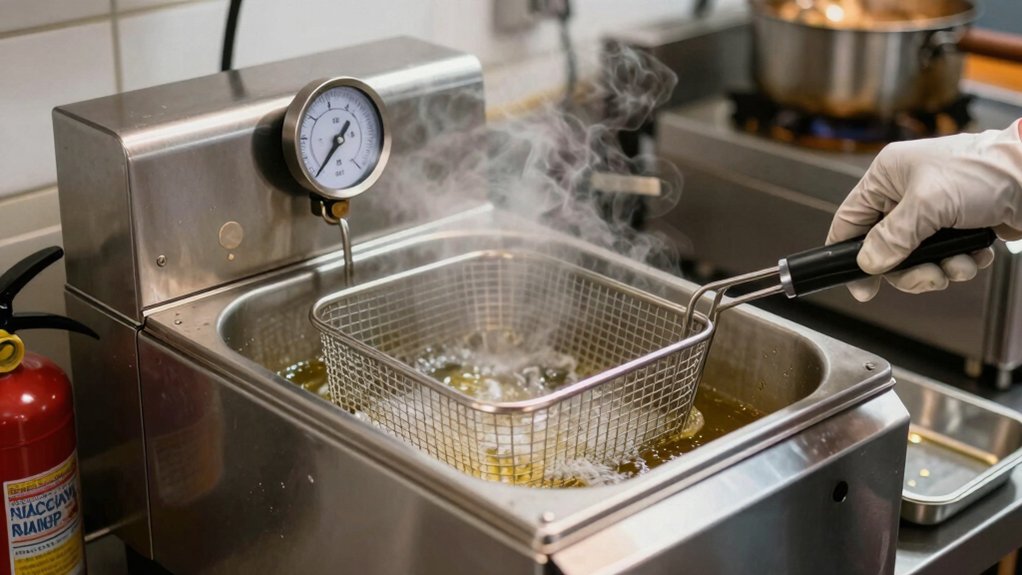
You must control oil temperature, lock the thermostat, and use only high-smoke-point oils to prevent fires, degraded food, and equipment damage. Set and secure the thermostat so oil never exceeds safe range (about 350–400°F for many refined oils) and test cutouts weekly.
Use refined avocado, peanut, or high-oleic sunflower oil; filter and store oil cool and sealed; and replace it when dark, foamy, or off-smelling. Keep a thermometer handy and follow the rest of the safety steps to lower your risk.
Quick Overview
- Use high-smoke-point oils (refined avocado, peanut, rice bran, or high-oleic sunflower) and never exceed ~400°F.
- Set, lock, and regularly test the fryer thermostat to prevent overheating; this also helps avoid automatic cutout failures.
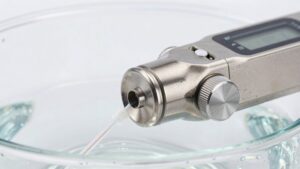
- Monitor oil temperature with a calibrated thermometer and keep set temperature several degrees below the oil’s smoke point.
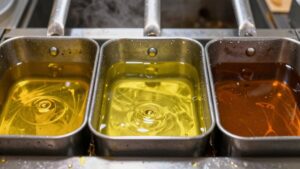
- Filter and store oil properly. Replace it when dark, foamy, smells off, or smokes at normal frying temperatures.
- Cool and lower food gently. If persistent smoke or flare-up occurs, cut heat, remove food, and cool oil safely.
Oil Temperature Safety Chart
Wondering which oil and temperature combo will keep your fryer safe and your food crisp? You’ll use oils with high smoke points (350–400°F safe range) and never push past ~400°F. Exceeding that invites auto-ignition and isn’t an irrelevant topic or an unrelated safety misconception.
Pick refined avocado, peanut, rice bran, or high-oleic sunflower for stability. Monitor with a thermometer; change oil when it smells off. Avoid butter/ghee or unrefined oils for deep frying. Keep children and pets away and operate outdoors on level ground. Use protective gear and raise food slowly to prevent splatter.
| Oil Choice | Safe Fry Range |
|---|---|
| Avocado (refined) | 350–400°F |
| Peanut | 350–400°F |
| Lard | 325–350°F |
Mandatory Thermostat Settings
A reliable thermostat on a deep fryer is essential: you should set and lock it to prevent oil from exceeding its safe temperature range (generally below about 400°F) and to shut off heat if the oil starts to smoke or climb toward ignition. You must treat a mandatory thermostat as non-negotiable equipment; it enforces safe limits, provides high heat monitoring, and reduces human error.
Lock the control, verify calibration, and train staff to respond to automatic cutouts. Check alarms and fail-safes regularly.
- Lock settings to prevent accidental increases and ensure consistent frying temperatures.
- Test high heat monitoring features weekly and record results.
- Replace thermostats showing drift, delayed shutoff, or inconsistent readings immediately.
High-Smoke-Point Oils Only
Pick oils with high smoke points and check the exact temperature so your fryer stays below the oil’s limit. Don’t use low-smoke oils that can break down and ignite. Keep oil clean by storing it covered and cool.
Replace oil on a schedule or when it smells or smokes to reduce fire and hot-oil hazards.
Choose Oils With High Smoke Points
Why choose a high-smoke-point oil? You’ll prevent unnecessary smoking and reduce the risk of oil ignition while frying. Pick oils with proven oil smokepoints that exceed your operating temperature and match the food you’re cooking.
Consider oil compatibility with flavor profiles and reuse: neutral oils like refined peanut, canola, or sunflower work for most foods, while oils with strong flavors may overpower dishes.
You’ll also extend oil life: oils that resist breakdown produce fewer volatile compounds and give you steadier temperatures. Avoid unrefined or low-smoke-point oils for deep frying; they’ll smoke, degrade, and create hazardous conditions.
Always store and handle oil properly, and discard it once it darkens, smells rancid, or foams excessively.
Check Smoke Point Temperatures
When should you check an oil’s smoke point? Check it before heating and whenever you change batches. You’ll want to confirm the manufacturer’s smoke point and compare it to your fryer’s temperature thresholds so oil won’t reach degradation.
Use a calibrated thermometer and set your thermostat several degrees below the listed smoke point for safety. If oil shows persistent wisps of smoke, cut heat immediately and cool safely; don’t add food.
Keep a reference chart for common high-smoke-point oils and note how repeated use lowers the effective smoke point over time. Regular checks help you avoid overheating, reduce off-flavors, and lower fire risk when you’re operating a fryer with high-smoke-point oils only.
Avoid Low-Smoke Oils
How do you choose oils that keep your fryer safe and your food tasting right? Pick high-smoke-point oils like refined peanut, avocado, or light olive oil so the oil won’t break down and start to smoke.
Avoid low smoke oils such as unrefined oils and butter-based fats; they degrade faster, create off-flavors, and raise fire risk. Monitor temperature with a reliable thermometer and shut burners immediately if oil starts to smoke.
Change oil when it darkens or smells rancid, and filter debris after each use to prevent accelerated degradation. These safety reminders help prevent overheating and reduce ignition risk.
Use oils rated for deep frying and follow manufacturer temperature limits to stay safe.
Store Oils Properly
Now that you’ve picked a high-smoke-point oil and are monitoring temps, store that oil so it stays stable and safe. Keep containers sealed and upright in a cool, dark place to minimize oxidation. Ideal store temperatures are consistent and below room temperature. Avoid heat sources, direct sunlight, and temperature fluctuations.
Use original containers when possible and keep oil labeling intact so you can track type, purchase date, and smoke point. If you transfer oil, label the new container immediately with the same details. Store oils away from chemicals and open flames, and on sturdy shelving to prevent spills.
Check containers for leaks or cloudiness before use. Compromised oil can degrade performance and increase fire risk during frying.
Replace Oils Regularly
Why replace frying oil regularly? You should change oil before it darkens, smokes at normal cooking temperatures, or smells off.
Old oil breaks down, lowers the smoke point, and increases fire risk; so stick to high-smoke-point oils and monitor temperature safety with a reliable thermometer. Filter used oil after each batch to remove crumbs that accelerate degradation. Note how many uses you get based on food type and frying time.
Discard oil that foams, foils tasting, or smokes below its rated temperature. Store fresh oil sealed, cool, and away from light to preserve quality. Regularly replacing oils reduces overheating, improves food quality, and cuts the chance of grease fires in your fryer.
Frequently Asked Questions
Can I Use a Turkey Fryer on a Wooden Deck?
No, you shouldn’t use a turkey fryer on a wooden deck. You’ll risk tipping, hot oil spills, and deck ignition. If you must fry, move to a flat, noncombustible surface away from structures. Keep a fire extinguisher ready, and ensure the turkey is fully thawed; never frozen food. Dry patting it prevents splatter.
Plan safe oil disposal, wear protection, and have burn treatment supplies. Get medical help immediately for severe burns.
How Do I Safely Dispose of Used Cooking Oil?
You should cool oil completely, strain out food, and store it in a sealed, labeled container for used oil disposal. Check local recycling options: many centers or restaurants accept cooking oil for recycling.
For fryer cleanup, wipe residual oil with absorbent material before washing with hot, soapy water. Store oil in a cool, dark place if keeping for reuse. Never pour oil down drains or onto soil; follow municipal disposal rules.
What Type of Fire Extinguisher Do I Need Nearby?
You need a Class K fire extinguisher for commercial kitchen grease fires, but for outdoor turkey or home deep fryers, you should have a Class B or multi-purpose (A/B/C) extinguisher rated for flammable liquids.
Place the fire extinguisher nearby, within easy reach, but at a safe distance from the fryer so you can approach without crossing flames. Make sure it’s charged, accessible, and you know how to operate it.
Can I Fry a Partially Frozen Food if Patted Dry?
No, you shouldn’t fry partially frozen food even if patted dry. Patting helps, but drying properly won’t prevent the violent oil displacement and steam that occur when ice contacts hot oil.
You must fully thaw to avoid boilovers and splatter. Instead, thaw safely, dry, then monitor temperature control so oil stays at the recommended frying temperature. That prevents spills, fires, and severe burns.
How Do I Treat Oil Burn Injuries Before Medical Help?
First aid for oil burns: Cool with water immediately. You should remove clothing and jewelry near the burn. Then run cool (not ice) water over the area for 10–20 minutes to stop burning.
Cover the burn loosely with a sterile, nonstick dressing. Don’t pop blisters, apply creams, or use ice. Seek medical help for deep, large, or facial burns; signs of infection; or if the victim is in severe pain or shock.
Conclusion
You’ve got to treat deep-frying like a safety system: keep oil at the right temperature, use oils with high smoke points, and set thermostats correctly to prevent overheating. Store and replace oil as recommended, and avoid low-smoke oils that can break down and ignite.
Regular checks and proper handling cut fire and injury risk. Follow these practical steps every time you fry, and you’ll reduce hazards while keeping food crispy and safe.