Oil Sprayer Clogging Causes and Fixes
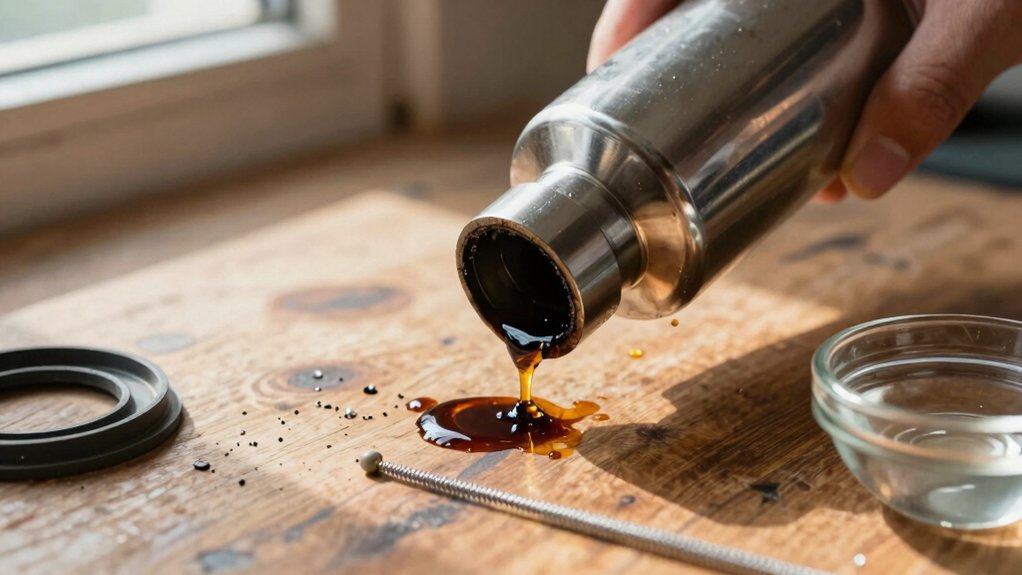
You’ll prevent most oil-sprayer clogs by matching nozzle size to the needed GPH and spray pattern. You should also orient check valves arrow-forward and seat them straight. Additionally, keep oil viscosity within the nozzle’s recommended range.
Warm heavier oils slightly or use a larger orifice to avoid clogging. Inspect and replace distorted valves and test flow at working PSI. Measure viscosity (cSt/cP) at a controlled temperature and record results so you can pick the right nozzle and settings.
Learn more practical checks and tests next.
Quick Overview
- Use the correct nozzle size and pattern for required GPH; increase orifice for heavy or cold oils to reduce clogging.
- Ensure check valves are installed arrow-forward, seated upright, and aligned in straight tubing to prevent backflow and restrictions.
- Warm or thin high-viscosity oils to manufacturer limits; retest flow/viscosity before spraying.
- Inspect and replace cracked, deformed, or floppy valves. Remove kinks or tight bends that change pressure and spray.
- Verify viscosity (cSt/cP) at test temperature with a viscometer or cup test; match nozzle specifications accordingly.
Nozzle Flow Rate Chart
How do you match a nozzle to your system? You compare nozzle flow against your pump PSI, oil viscosity, and target spray pattern to avoid poor performance and clogging causes. Use a simple chart to visualize common sizes and key specs.
| Nozzle Size | Flow @100 PSI | Typical Pattern |
|---|---|---|
| 0.5 | 0.5 GPH | Hollow/flat |
| 0.75 | 0.75 GPH | Hollow cone |
| 1.0 | 1.0 GPH | Solid/flat fan |
Pick a size that meets required GPH and expected spray angle. Remember, flow scales with the square root of PSI. For heavy or cold oils, increase orifice size to reduce clogging causes. Check manufacturer limits to avoid damage at high pressure.
Check Valve Orientation Guide
Why does valve orientation matter? You’ll get inconsistent spray or backflow if the check valve orientation is wrong. Install the valve so its arrow points toward the nozzle; that keeps flow directional and preserves nozzle flow rate. Verify seating and avoid inverted or sideways placement.
Inspect valve arrow direction before reassembly. Test spray briefly to confirm steady nozzle flow rate. Replace cracked or floppy valves that fail to seal. Reorient valves after cleaning; don’t assume original position was correct.
When you reassemble, align the valve in a straight section of tubing to prevent kinks that alter pressure. Tighten fittings without deforming the valve body. A correctly oriented check valve reduces clogging risk by preventing oil backflow and pooling near the nozzle.
Viscosity Limits and Measurement
You’ll need to know the acceptable oil viscosity range for your sprayer and how measurement methods (cup-like flow tests, viscometers, or kinematic viscosity labs) compare.
Remember temperature strongly changes viscosity: warm oils flow thinner and are less likely to clog. Measure at or adjust to the temperature you’ll use. I’ll explain common units (cP, mm2/s) and how viscosity affects nozzle selection and spray pattern.
Additionally, I will cover quick field checks you can run.
Oil Viscosity Range
Wondering what oil thickness your sprayer can handle? You should match oil viscosity to your sprayer’s design: thin cooking oils flow and atomize easily, while heavier oils resist spray nozzle interaction and cling to internal surfaces.
Check manufacturer limits (usually given as cSt or similar) and avoid oils that exceed that range. Remember oil viscosity changes with temperature effects: colder oil thickens, increasing clog risk; warmer oil thins, improving flow.
If you must use a heavier oil, warm it slightly before filling and test spray in small amounts to observe pattern and pressure. Keep records of oils that worked or clogged. That practical approach prevents routine blockages and informs cleaning frequency and preventive habits.
Measuring Viscosity Methods
Since oil viscosity directly affects spray performance and clog risk, you’ll want clear ways to measure and compare oils before filling a sprayer. Use simple viscosity measurement methods you can do at home or in a small workshop: capillary viscometers for precise labs, or practical cup-and-timer tests for routine checks.
For cup tests, pour a measured volume through a calibrated orifice and time the drain. Record temperature and repeat for consistency. Complement that with flow rate testing by pumping oil through the sprayer into a graduated container for a fixed interval; compare milliliters per second to your sprayer’s recommended range.
Log results, note any particulate influence, and reject oils that yield slow drain times or low flow rates to reduce clogging risk.
Temperature Effects On Viscosity
How does temperature change the way oil flows through your sprayer? You’ll see temperature effects quickly: cold thickens oil, increasing resistance and causing slow drips or nozzle clogs. Heat thins oil, improving flow but risking overspray. Monitor viscosity measurement to match oil to your sprayer’s limits—measure at typical use temperature rather than room temperature.
If viscosity approaches your sprayer’s upper limit, warm the oil slightly before filling or choose a lighter oil. Use simple comparative tests (time to drip through a small orifice at set temperatures) if you don’t have lab tools. Record temperatures and results so you can reproduce successful pours.
Controlling storage and pre-warm routines prevents many temperature-related clogs without complex interventions.
Viscosity Units Explained
Which units should you watch when matching oils to a sprayer? You should focus on centistokes (cSt) for kinematic viscosity and centipoise (cP) for dynamic viscosity, because those values tell you how a liquid flows through small passages. Many sprayer specs list acceptable cSt ranges; check those against your oil viscosity at 40°C or 20°C as provided by suppliers.
Use measurement methods like viscometers (Ubbelohde, rotational) or published kinematic tables if you can’t test yourself. Remember density links cP and cSt (cP = cSt × density in g/cm³); so verify both if available. Stick to oils within the sprayer’s recommended cSt range to reduce clogging risk and ensure consistent atomization without altering nozzle hardware.
Viscosity And Spray Nozzles
You already know to check cSt and cP when matching oils to a sprayer. Now look at the nozzle’s viscosity limits and how they’re measured. You should verify the manufacturer’s max viscosity rating; nozzle orifice geometry and internal passages were tested with standard viscosity measurement methods. Exceeding that rating increases clog risk.
Inspect spray nozzle design: smaller orifices and complex atomizing features tolerate lower viscosities. Use a viscometer or calibrated flow test to confirm oil behavior at operating temperature. Note that temperature drops raise apparent viscosity and can congeal fats. If your oil nears the nozzle limit, thin it slightly, choose a nozzle with larger passages, or raise operating temperature.
Record measurements and nozzle specs so you match oils reliably and prevent repeat blockages.
Frequently Asked Questions
Can I Use Dishwasher Detergent to Clean the Sprayer?
You can, but be cautious: Dishwasher safety varies by sprayer material, so check manufacturer guidance before using dishwasher detergent.
For routine oil cleaning methods, hand-wash disassembled parts in warm soapy water with a soft brush first; detergent removes grease well. Use hot water soaks, vinegar, or baking soda for stubborn buildup. Avoid high-heat dishwasher cycles for plastic nozzles. Always rinse thoroughly to remove detergent residues before reassembling and using.
Will Essential Oils Damage Seals or Plastic Tubing?
Yes, essential oils can damage seals and plastic tubing over time; so check seals compatibility before use. You’ll want to avoid prolonged contact with strong citrus or eucalyptus oils, which swell or degrade common rubber and inexpensive plastics.
Use sprayers with compatible materials (PTFE, silicone-rated, or HDPE). Rinse and clean after each use, store upright, and replace seals periodically to prevent leaks and maintain performance.
How Long Can Oil Sit in the Sprayer Between Uses?
You can leave oil in the sprayer for about 1–4 weeks; how long oil sits depends on use and oil type. For daily use, keep oil up to 1–2 weeks. For occasional use, limit storage duration to 3–4 weeks to avoid congealing or sediment.
Filter oil before filling, store upright, purge a few pumps after use, and clean every 1–2 weeks (or monthly) to prevent buildup and nozzle blockage.
Can I Sterilize Parts in a Dishwasher or Autoclave?
You can’t autoclave most oil sprayer parts. Heat and pressure will warp plastics and damage seals. Therefore, sterilization concerns favor gentler methods.
Many removable glass and stainless parts are dishwasher safe on the top rack. Avoid spraying heads, pumps, and rubber gaskets in the dishwasher. Instead, hand-wash nozzle components, soak in hot water with vinegar, scrub with a brush, and air-dry fully to reduce microbial and oil buildup safely.
Are Replacement Nozzles Universal Across Brands?
No: replacement compatibility varies, so you shouldn’t assume nozzles are universal. Because of brand variability in thread size, spray mechanism, and filter design, you’ll need to match model numbers or measure the nozzle dimensions.
Check manufacturer specs or buy official replacements when possible. If you can’t, compare diameter, attachment type, and internal valve layout. Test fit and spray pattern before regular use to avoid leaks or poor atomization.
Conclusion
You’ve now got the essentials to prevent and fix oil sprayer clogging: match nozzle flow to oil viscosity, orient check valves correctly, and keep oil within recommended viscosity and temperature ranges. Measure viscosity with a viscometer or viscosity cups, and convert units if needed.
Regularly clean nozzles and strain oil before use. Follow these practical checks and adjustments, and you’ll maintain consistent spray performance and avoid downtime from predictable clogging issues.
Related reading: 14 Best Oil Sprayers for Air Fryers in covers this topic in detail.