Toaster Oven Bakeware Materials Comparison
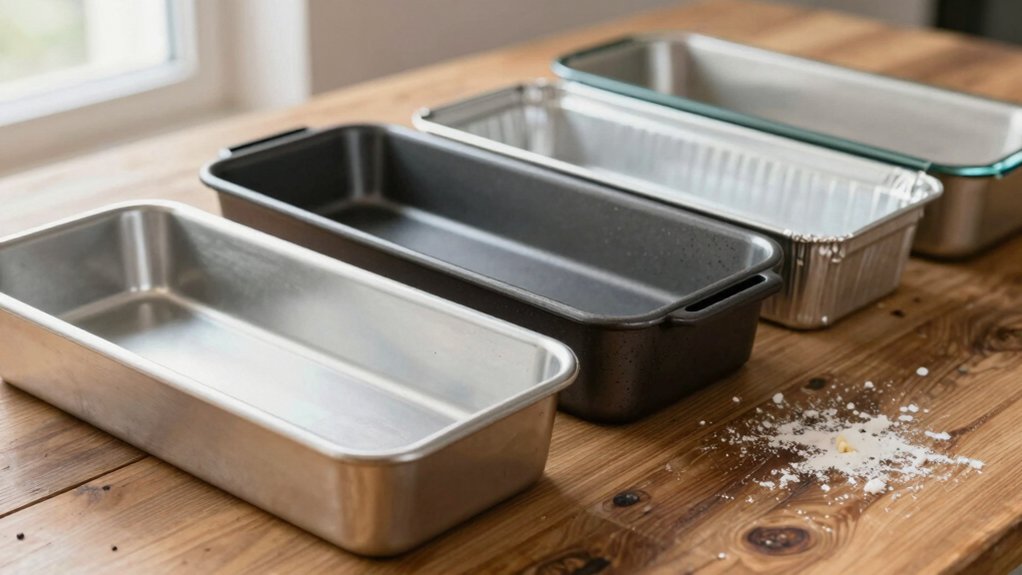
Pick bakeware by how fast it conducts heat, its thickness, and its oven-safe temp. Copper and heavy-gauge aluminum heat fastest and brown evenly. Avoid ultra-thin sheets that warp.
Cast iron holds heat well for roasting but responds slowly. Glass, ceramic, and silicone retain heat and suit slow bakes; however, they often limit top temps. Watch nonstick for dull patches, scratches, or flaking. Replace if release fails.
Keep these trade-offs in mind and you’ll get better results as you explore more specifics.
Quick Overview
- Choose high-conductivity metals (copper or thick aluminum) for fastest, even browning and responsive temperature control.
- Avoid ultra-thin aluminum; prefer heavy-gauge (1/16–1/8″) to reduce warping and hotspots.
- Use cast iron for excellent heat retention and high-temp roasting. Know that it heats slowly and stays hot.
- Pick glass, stoneware, or silicone when you want heat retention or gentler, slower baking; however, check thermal-shock limits.
- Replace nonstick pans showing scratches, peeling, or dull patches. Switch to anodized or natural metal if coating fails.
Conductivity & Thickness Comparison
How quickly your bakeware moves heat makes the biggest difference in toaster-oven results. So, pick materials and thicknesses with purpose. You’ll want a conductivity focus: copper and thick aluminum deliver rapid, precise response. Thin aluminum or flimsy pans underperform and warp.
Consider thickness effects: heavy-gauge metals resist warping and give even browning. Glass or silicone retain heat and slow baking. Match material to task—cookies need fast conduction; small casseroles benefit from retention.
| Material | Conductivity | Typical Thickness |
|---|---|---|
| Copper | Highest | 1/16–1/8″ heavy gauge |
| Aluminum | High | Varies; avoid super-thin |
| Glass/Silicone | Low (retention) | Standard/flexible |
Max Oven-Safe Temperatures
What’s the highest temperature your toaster oven bakeware can safely handle? You need to match max temperature ratings to each bakeware material and your oven’s maximum. Exceeding manufacturer limits risks warping, cracking, or shattering.
- Natural aluminum and anodized aluminum: typically safe to 450–500°F; they conduct heat evenly and resist warping. You can trust higher roasting temps.
- Cast iron and enamel-coated pans: handle 500°F+ and retain heat well. However, they’re heavy and slow to respond to temp changes.
- Stoneware, ceramic, and most glass: often limited to 450°F or lower due to thermal shock risk. Manufacturers frequently advise against toaster oven use.
Always check the bakeware material’s specific rating before high-temp use.
Nonstick Coating Wear Indicators
Watch for visible scratches, peeling, or a patchy sheen on nonstick surfaces: those are the simplest signs your coating is degrading. You’ll also notice flaking under heat, a thinner feel at the edges, or food sticking where it used to release easily. All of these indicate loss of release performance.
Use these cues to decide when to stop using a pan in your toaster oven or when to replace its coating.
Visible Scratches Or Peeling
When you spot visible scratches or peeling on a nonstick surface, treat them as clear wear indicators and stop using that piece for food prep. Scratches and peeling expose substrate metal and often coincide with loss of release performance. You’ll see food sticking or uneven browning that washing won’t fix.
Inspect pans regularly; check edges, corners, and high-contact areas where utensils scrape. If coating flakes, discard or repurpose pans for non-food tasks. Continued use risks ingesting particles and unpredictable cooking. For longevity, avoid metal utensils, use gentle scouring pads, and follow manufacturer temperature limits to slow wear.
Replace cookware when visible damage appears rather than relying on temporary fixes. Prevention and timely replacement keep results consistent and reduce health concerns.
Uneven Nonstick Sheen
How can you tell that a nonstick surface is wearing even before flakes appear? You’ll notice an uneven nonstick sheen: glossy areas contrast with dull patches where the coating has thinned.
Test by wiping with a damp cloth; persistent staining or oil pooling in dull zones signals sheen wear and reduced release. Run a fingertip drag; if food resists where the finish looks matte, the coating’s integrity is compromised.
Avoid abrasive scrubbing and high heat that accelerate wear. When sheen wear appears across a baking sheet or pan, expect shorter nonstick life and uneven browning. Consider switching to anodized aluminum, natural aluminum, or silicone mats for toaster oven use. Track changes and retire cookware before performance or safety declines.
Flaking Under Heat
Why does a nonstick surface start to flake under heat? What signs should you watch for before pieces break away? You’ll see tiny pits, a mottled texture, or raised edges where the polymer has degraded.
Flaking under heat begins when repeated high temperatures, metal utensils, or abrasive scrubbing compromise the bond between coating and substrate. Treat these as coating wear indicators: discoloration near edges, loose specks after gentle tapping, or increased surface roughness.
When you notice them, stop using the pan for direct high-heat tasks. Avoid scraping food vigorously. Replace or recoat the piece if flakes appear in quantity.
For toaster oven use, prefer anodized aluminum or seasoned cast iron to minimize reliance on fragile nonstick layers.
Loss Of Release Performance
Flaking is one clear sign that a coating’s release performance is degrading. However, you can spot loss of nonstick effectiveness much earlier. You’ll notice food sticking in patches, needing more oil or spray, or inconsistent browning across a sheet.
Track changes: increasing cleanup effort, tiny surface scratches that collect batter, and progressive adhesion where previously items slid off. Those are objective nonstick wear indicators that predict failure before visible flakes appear. When you see them, rotate to anodized aluminum, silicone mats, or well-seasoned cast iron for continued performance.
Test suspect pans by baking a single cookie batch. If release worsens, retire the coating or stop high-heat use. Documenting loss of release helps avoid ruined batches and potential contamination.
Coating Thickness Changes
Curious how a pan’s nonstick performance quietly slips away? You’ll notice gradual changes in coating thickness as microscopic abrasion, high heat, and harsh detergents remove polymer layers. Measure visually and by feel: thinning areas darken, food sticks more, and exposed base metal signals compromised coating thickness and weakened bakeware integrity.
Track wear with simple tests—light oiling then baking or rubbing with a soft cloth—to compare new versus used release. When the coating fails unevenly, heat transfer and browning change; so replace before flakes contaminate food. For long life, avoid metal utensils, scrubbers, and oven temperatures above manufacturer limits.
Regular inspection keeps your toaster-oven results consistent and preserves overall bakeware integrity.
Frequently Asked Questions
Can I Use Silicone Mats Directly on Toaster Oven Racks?
Yes, you can use silicone mats on toaster racks only if the mat is rated for direct oven contact and fits the rack without overhang. Check manufacturer specs for temperature limits and toaster rack compatibility.
Thin mats can sag, touch heating elements, or impede airflow, causing uneven cooking. Use mats sized for quarter sheet or specifically labeled for toaster ovens. Avoid placing mats directly on open racks if they’ll deform or block heat circulation.
Are Enamel-Coated Pans Dishwasher-Safe?
Yes, many enamel-coated pans are dishwasher-compatible, but you should check manufacturer instructions for enamel coated care. You’ll get away with dishwasher cycles; yet repeated hot washes and harsh detergents can dull gloss or chip edges over time.
For best longevity, hand-wash gently with warm soapy water and a nonabrasive sponge. Dry thoroughly, and avoid thermal shock. This practical routine preserves the finish and performance of your enamel bakeware.
How Do I Prevent Warped Baking Sheets Over Time?
To prevent warping, you’ll choose warp-resistant metal alloys and pans with good structural rigidity and coating durability. Match material heat tolerance to oven temps and avoid rapid heat cycling to preserve thermal conductivity and doneness consistency.
Use pans with reinforced edges to reduce edge warping. Allow expansion gaps on racks for airflow, and ensure rack compatibility so sheets sit flat. Regularly inspect coatings and avoid flimsy thin metals.
Which Materials Are Best for Broiling in Toaster Ovens?
For broiling in toaster ovens, you’ll want materials with high heat conductivity and proven material safety: natural aluminum and cast iron are best. Aluminum heats fast and evenly, preventing hot spots. Cast iron tolerates intense radiant heat and keeps temperature steady.
Avoid glass and thin flimsy metals that can shatter or warp. Use enamel-coated or anodized aluminum as safer alternatives when you need easier cleanup without sacrificing conductivity.
Do Small Cast Iron Pieces Damage Oven Racks?
Yes, small cast iron can contribute to oven rack wear if you don’t take precautions. Its weight and rough underside can scratch enamel or bend thinner racks over time.
You’ll prevent damage by using silicone or foil-lined racks, placing a trivet or thin sheet between pan and rack, and avoiding sliding heavy pieces. Regularly inspect and clean racks to remove grit that accelerates wear. Choose appropriately sized, seasoned cast iron.
Conclusion
You’ve seen how bakeware material, conductivity, and thickness all affect performance and longevity in a toaster oven. Pick pieces rated above your oven’s max-safe temperature. Inspect nonstick coatings for visible scratches, peeling, uneven sheen, or flaking. Watch for reduced release; these signal wear.
Thicker, high-conductivity metals heat more evenly. Durable ceramic or hard-anodized finishes resist abrasion better. Replace any pan showing coating degradation to avoid contamination and restore reliable, consistent results.
Related reading: Toaster Oven Bake covers this topic in detail.