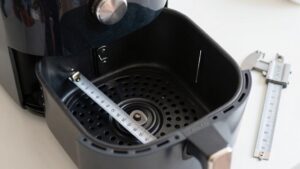
Waffle Iron Nonstick Care and Cleaning
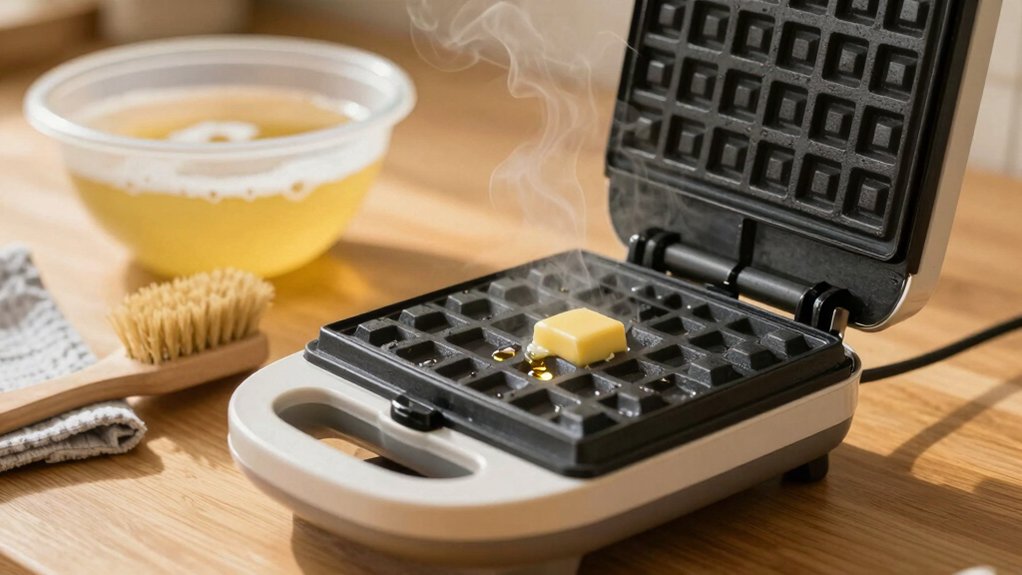
Keep your waffle iron nonstick by matching batter thickness to grid depth and avoiding prolonged high heat. Shallow grids need thinner batter and shorter cooks; deep grids need thicker batter and longer cooks. Preheat only to the manufacturer’s max and check surface temps with an infrared thermometer if needed.
Wipe after each use. Do a deeper clean weekly or when residue appears. Never use metal tools or harsh cleaners. Follow safe steps below to learn specific cleaning and maintenance tips.
Quick Overview
- Wipe hotplates after each use, once cooled, to remove crumbs and batter before buildup hardens.
- Deep-clean weekly or after sugary batters using mild soap, soft brushes, and a damp cloth.
- Never use abrasive pads or harsh chemicals that can scratch or degrade the nonstick coating.
- Avoid overheating; follow manufacturer max-temp limits and preheat durations to protect the coating.
- Inspect plates for residue, flaking, or odd odors. Unplug and clean immediately if signs of degradation appear.
Waffle Depth & Grid Size
How deep should your waffle iron’s grids be to match the texture you want? You’ll choose depth specifics based on texture: shallow (~0.5 in) for crisp, quick American waffles; deep (0.75–1 in) for tender-centered Belgian waffles. Grid structure affects browning, cooking time, and moisture retention. Therefore, adjust batter and timing accordingly.
| Feature | Effect |
|---|---|
| Shallow grids | Faster browning, crisper exterior |
| Deep grids | Tender center, longer cook |
| Thin ridges | Better crisp retention |
| Thick ridges | More structure, less crisp |
Work safely: precoat plates lightly, avoid metal tools, and cool before cleaning. Match batter consistency and cook time to grid depth to prevent soggy centers and ensure even cooking.
Nonstick Coating Temperature Limits
When you heat a nonstick waffle iron above its recommended temperature, the coating can degrade, release odors, and lose effectiveness. Always follow the manufacturer’s max-temp guidance and avoid prolonged high-heat cycles. You should monitor nonstick temperature to prevent exceeding coating limits. Ovens and stovetop adapters can produce hotspots that shorten coating life.
Preheat only as long as the manufacturer suggests and use medium or lower settings for batter types that brown quickly. If you smell chemical odors or see discoloration, stop using the appliance and contact the maker.
- Check the manual for exact max nonstick temperature and safe preheat time.
- Avoid broiling-like exposure or empty-plate heating that raises surface temps.
- Use an infrared thermometer to verify surface temperature when in doubt.
Hotplate Cleaning Interval
You should clean the hotplates after every few uses depending on batter type and visible buildup. Perform immediate wipe-downs after each cooling and deeper cleaning weekly or after sticky residue appears. Watch for signs it needs attention: smoke, off-odors, browned residue, or uneven cooking. Only use soft brushes, damp cloths, mild soap, baking soda paste, or vinegar solution as recommended.
Follow a safe step-by-step: unplug and cool, remove crumbs with a soft brush, apply chosen cleaner gently, rinse or wipe with a damp cloth, dry thoroughly, and finish with a light oil coat for preventive maintenance.
Cleaning Frequency Guidelines
Why clean the hotplates regularly? You’ll prevent buildup that alters waffle density and affects batter consistency. You’ll also reduce smoke and flavor transfer. Clean after every session if you cook sticky or sugar-rich batters or whenever crumbs and residue are visible.
For light use with well-oiled plates, wipe between uses and perform a damp-cloth clean daily. Deep-clean baking-soda or vinegar treatments should be scheduled weekly or after every few uses, depending on residue. Always unplug and cool before cleaning. Steam or damp-towel methods work while plates are warm but not hot. Use only soft brushes, wooden or silicone tools, and mild soap for stubborn spots. Regular intervals keep performance consistent and minimize safety and repair risks.
Signs It Needs
After following the cleaning frequency guidelines, watch for specific signs that tell you the hotplates need attention. You’ll notice burnt crumbs accumulating in wells, uneven heating or longer cook times, or visible residue flaking off: these are clear signs it needs cleaning.
Check the waffle depth impressions: if waffles don’t form full, defined pockets or batter sticks in deeper sections, clean the plates. Smell is another cue: persistent burnt or rancid odors after cooling mean grease buildup.
Also inspect edges and hinges for gummy residue that blocks closure. Respond quickly: unplug, cool, and follow safe cleaning steps. Addressing these issues promptly preserves nonstick performance, prevents smoke or fire risks, and maintains consistent waffle depth and cooking results.
Safe Cleaning Materials
When should you clean the hotplates to protect their nonstick surface and assure safe operation? Clean them after every use once the unit has fully cooled. Clean them again immediately if you see burning, sticking, or residue buildup. For routine maintenance, wipe crumbs and light grease after each batch. Perform a gentle, more thorough cleaning weekly if you use the waffle iron daily.
Choose materials that support safe cleaning and won’t harm the nonstick coating: soft microfiber or washcloths, silicone brushes, wooden or plastic scrapers, and mild dish soap on a damp cloth. Avoid steel wool, abrasive pads, metal utensils, and harsh chemicals. Keep cleaning tools dedicated to the appliance, dry plates completely, and store the iron in a dry, protected spot.
Cleaning Procedure Steps
How often should you clean the hotplates to keep the nonstick surface intact and the unit safe to use? Clean after every use for light residue and follow a weekly deeper cleaning as part of your maintenance schedule.
Immediately follow the basic cleaning procedure: unplug, cool, brush crumbs, then wipe with a damp cloth or steam method for stuck batter. For hardened spots, apply baking soda paste briefly and wipe; rinse cloth and remove all residue.
Record each deep clean on your maintenance schedule to track frequency and any recurring issues. Never use metal tools or harsh chemicals during either routine. This approach preserves the coating, reduces fire risk, and keeps performance consistent without overcleaning or skipping essential steps.
Preventive Maintenance Tips
You’ve already set a good routine for cleaning after each use and scheduling a weekly deep clean. Now set specific hotplate cleaning intervals based on usage to prevent wear and maintain safety. If you use the waffle iron daily, wipe plates after every use. Perform a light clean every 3–5 uses, and do a thorough hotplate descaling or baking-soda treatment monthly.
For occasional use, a light clean after each session and a deep clean every 6–8 weeks is sufficient. Always follow preheating tips: bring plates to warm temperature before wiping to loosen residue, but unplug and cool to touch before any damp cleaning.
Keep storage considerations in mind. Store dry, avoid stacking, and protect the nonstick surface to extend life and reduce maintenance frequency.
Frequently Asked Questions
Can I Use Butter Instead of Oil to Prep Nonstick Plates?
Yes: you can use butter as a butter alternative to prep nonstick plates, but be cautious. You’ll get great flavor. Yet, butter can burn and leave sticky residue that impairs nonstick maintenance if overused.
Use a light brush coating of clarified butter or softened butter. Avoid excess and clean plates promptly after cooling. Stick to wooden or silicone tools and reapply only sparingly to prevent buildup and smoking.
Are Replacement Nonstick Plates Available for My Model?
Yes, replacement parts are often available, but you’ll need to confirm model compatibility first. Check your waffle maker’s model number and contact the manufacturer or authorized parts dealer.
Verify that replacement nonstick plates match mounting holes, electrical connectors, and dimensions. If official parts aren’t offered, look for certified third-party options labeled for your model. Always use compatible, OEM-recommended parts to maintain safety and performance.
How Do I Remove Rust From Cast-Iron Waffle Plates?
You remove rust by scrubbing affected cast-iron waffle plates with coarse salt and a stiff brush. Then, rinse and dry thoroughly. For stubborn rust, use a baking soda paste or fine steel wool gently. Rinse, dry, and heat to evaporate moisture.
Re-season plates with a thin layer of neutral oil and bake briefly. This rust removal and cast iron care prevents damage and ensures safe, reliable cooking.
Can I Safely Flip My Waffle Iron During Cooking?
Yes, you can safely flip many waffle irons, but check your manual first. Flipping safety depends on design, hinges, and latch. Overfull batter or loose cords create hazards.
When flipping, unplug auxiliary attachments, secure the lid, use oven mitts, and keep batter level to avoid spills. Don’t flip non-rotating or heavy cast-iron models unless the manufacturer permits.
Always cool and clean after use to maintain safe operation.
Does Dishwasher-Safe Imply Plates Are Removable?
Not necessarily; dishwasher safe doesn’t always mean plate removability. You should check the manual: some models have removable, dishwasher-safe plates, while others have fixed plates engineered to tolerate dishwasher cycles.
For safety and longevity, remove plates if the manufacturer recommends and load them separately. Otherwise, hand-wash cooled plates with mild soap. Avoid abrasive tools, and never submerge the main unit even if its plates are dishwasher safe.
Conclusion
You’ve learned how waffle depth, grid size, and your nonstick coating’s temperature limits affect cleaning needs. Clean hotplates after every few uses. Watch for flaking or persistent sticking. Avoid metal tools or harsh cleaners.
Use soft cloths, nonabrasive sponges, mild detergent, and occasional baking soda paste for stubborn spots. Unplug, cool, and dry fully. Regularly reseason if recommended and store dry: these steps keep your waffle iron safe, long-lasting, and performing well.
Related reading: Waffle Maker Doneness Control Explained covers this topic in detail.